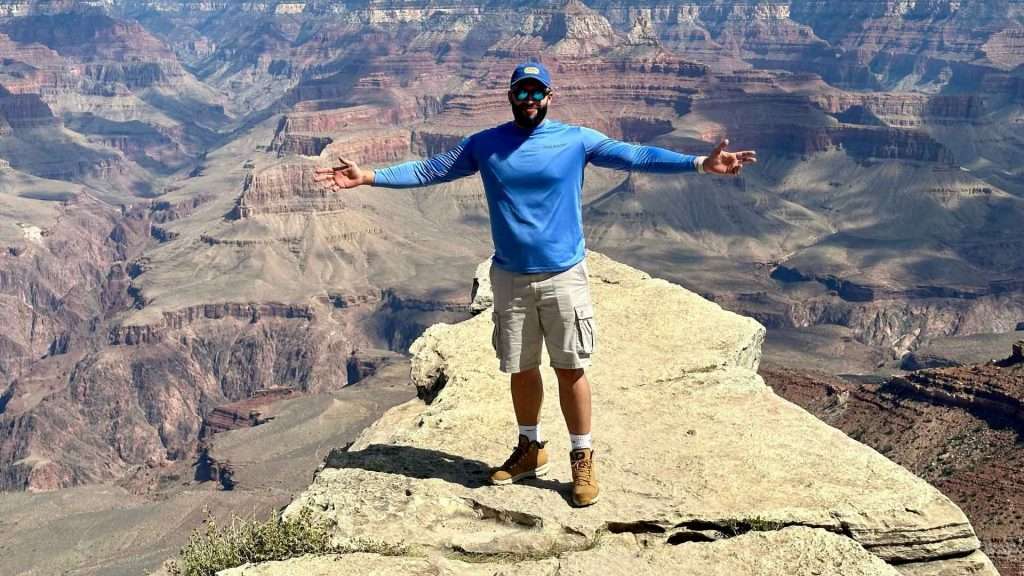
The Grand Canyon, one of the most iconic natural wonders of the world, offers visitors an unparalleled opportunity to witness the immense power of nature. Whether you’re standing at the edge of the canyon, gazing at the layers of rock that span millions of years, or watching the mighty Colorado River carve through the landscape, the experience is awe-inspiring. However, when it comes to visiting the Grand Canyon, there are two prominent locations that visitors often consider: Grand Canyon National Park (GCNP) and Grand Canyon West (GCW). While both offer incredible views and experiences, they differ significantly in terms of geography, accessibility, cultural significance, and the overall visitor experience. It is interesting to compare a visit to Grand Canyon National Park with a visit to Grand Canyon West, focusing on aspects such as different views, the contrast between the National Park system and the Hualapai Reservation, and the convenience of taking a day tour from Las Vegas to either destination.
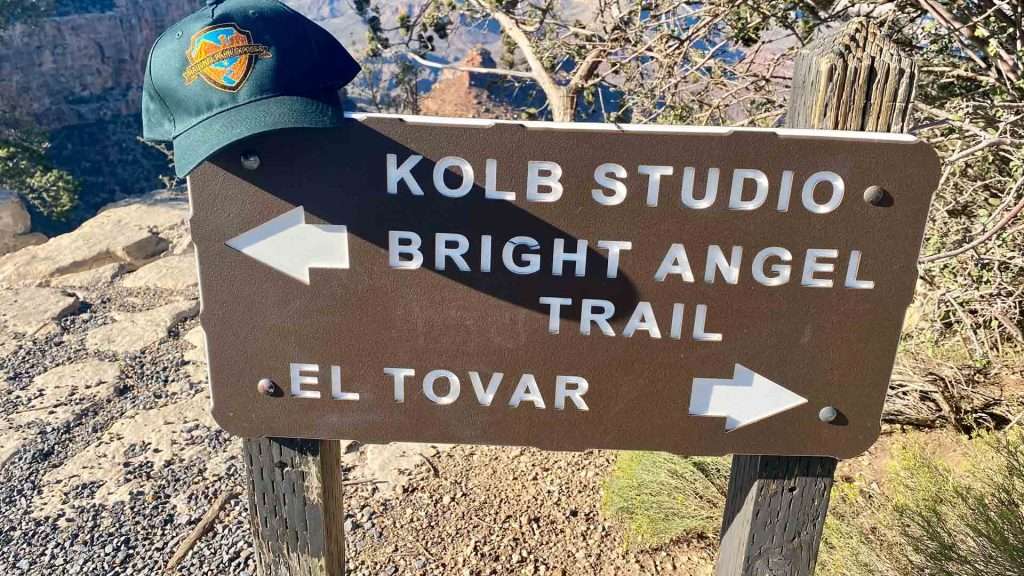
One of the most notable aspects of Grand Canyon National Park is its infrastructure. The National Park Service (NPS) has carefully developed the park to ensure that visitors have access to necessary amenities while preserving the natural environment. Visitors can stay at historic lodges like El Tovar, dine at the park’s restaurants, and take advantage of shuttle buses that transport them between key viewpoints. The park’s well-maintained roads and trails make it easy to explore, and there is an emphasis on environmental conservation, allowing future generations to experience the canyon’s beauty as it is today.
For visitors who prefer a more immersive experience, the park offers guided tours, ranger-led programs, and educational exhibits that highlight the history, geology, and wildlife of the canyon.
In contrast to the National Park, Grand Canyon West is located on the Hualapai Indian Reservation and is not part of the Grand Canyon National Park system. The Hualapai Tribe, which manages Grand Canyon West, has developed the area for tourism, offering a unique and different experience compared to the more traditional national park experience. Grand Canyon West is located approximately 120 miles from Las Vegas, making it an easy destination for visitors looking for a more direct route to the canyon.
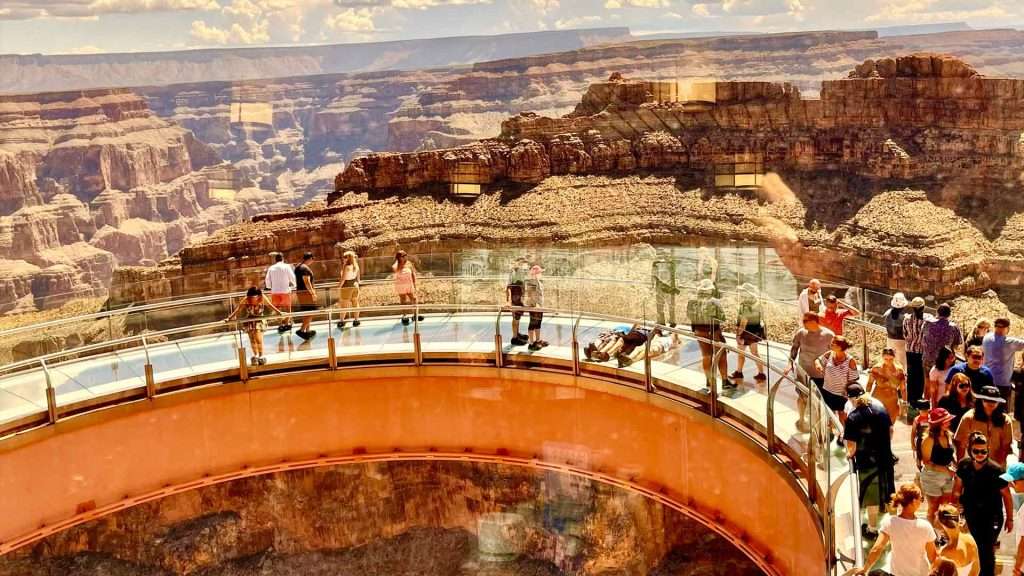
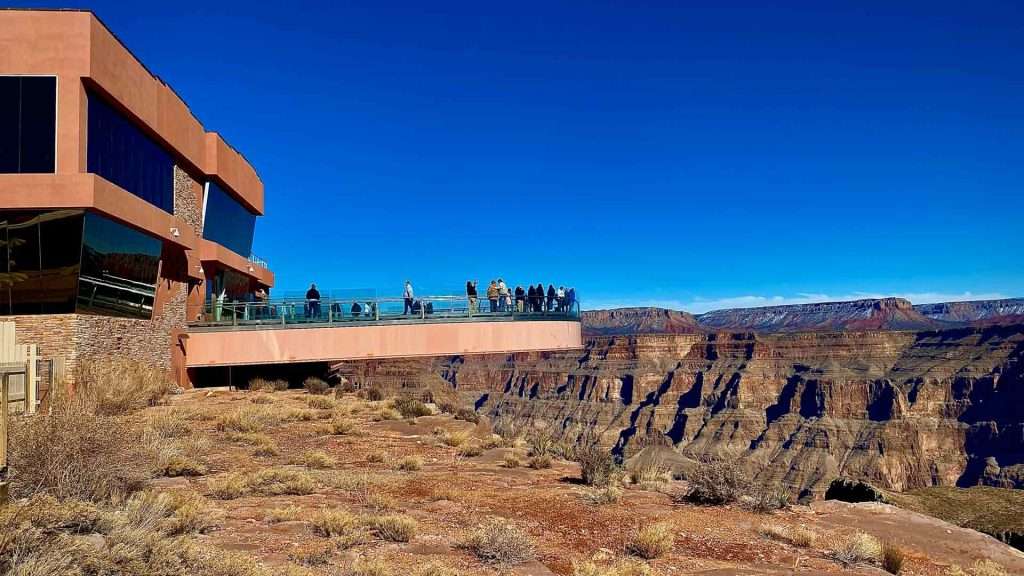
The views at Grand Canyon West are distinctively different from those at the Grand Canyon National Park. The most famous attraction here is the Skywalk, a glass bridge that extends 70 feet over the edge of the canyon, allowing visitors to walk out and look straight down thourgh the glass. This thrilling experience offers a unique perspective of the canyon that you won’t find anywhere else.
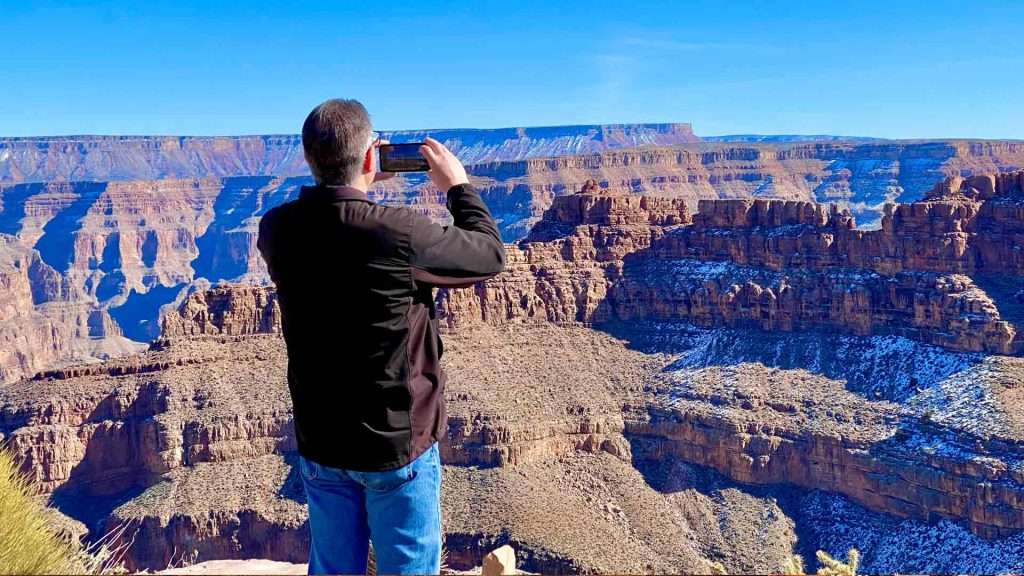
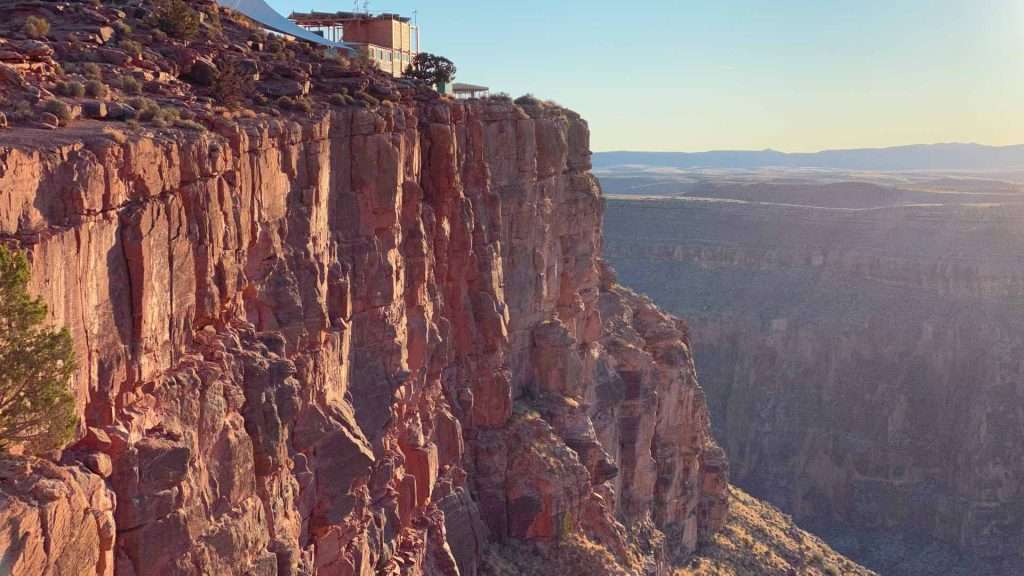
In addition to the Skywalk, Grand Canyon West offers several other viewpoints, such as Guano Point and Eagle Point, which provide stunning vistas of the canyon. These locations offer a more intimate experience compared to the South Rim, as the area is less often crowded and has fewer tourists. The views from Grand Canyon West are also dramatic, but the perspective is slightly different, with more rugged terrain and rock formations. The area also has a more raw, undeveloped feel, as much of the land is left in its natural state.
Visiting Grand Canyon West is a more culturally immersive experience, as the area is managed and operated by the Hualapai Tribe. The tribe has developed the site with a focus on showcasing their heritage and culture, offering visitors a chance to learn about the traditions and history of the Hualapai people and other Indian tribes. In addition to the Skywalk, visitors can explore the tribe’s cultural exhibits, including a traditional Hualapai village and art displays that highlight Native American craftsmanship.
Unlike the National Park, which is a federal entity, Grand Canyon West operates as a private attraction, and visitors must purchase an admission ticket to the park with its various viewpoints. An additional fee is required to experience the Skywalk. The experience is more commercialized, but it provides an opportunity to support the Hualapai Tribe directly through tourism. The tribe uses the revenue from Grand Canyon West to fund community development, education, and cultural preservation programs.
While Grand Canyon West lacks the extensive infrastructure of the National Park, it offers a unique blend of natural beauty and Native American culture that visitors cannot find at the South Rim. The more relaxed atmosphere and the focus on cultural heritage provide a different type of experience, one that appeals to those interested in learning more about the history of the Hualapai people while still taking in the breathtaking views of the canyon.
Grand Canyon West does not allow visitors to hike below the rim of the canyon, but does allow walking along different areas to enjoy different points of view.
One of the most appealing aspects of both Grand Canyon National Park and Grand Canyon West is their proximity to Las Vegas. For those visiting brilliant Las Vegas, a trip to the Grand Canyon is a must-do, and both locations are easily accessible by car or through a guided bus tour. A visit to the canyon offers a balance from the bright lights and non-stop action of the city.
Grand Canyon West is the closer of the two, located approximately 120 miles from Las Vegas, or about a 2.5-hour drive. The convenience of this location makes it a popular option for day-trippers, as the drive is manageable, and visitors can easily experience the canyon as part of a day tour. Bus tours from Las Vegas to Grand Canyon West are also available daily, allowing visitors to relax and enjoy the scenic ride without the stress of navigating unfamiliar roads.
On the other hand, Grand Canyon National Park is located about 275 miles from Las Vegas, or a 4.5-hour drive. While it is farther away, it is still a feasible day trip, with day tours that depart early in the morning and return in the evening. These tours include a guide who provides interesting information about the park’s history and geology, making the long drive more enjoyable. Despite the longer distance, the South Rim’s extensive viewpoints and hiking trails make it a worthwhile destination for those who have a full day to explore. A bus tour is an easy, comfortable way to travel to the Grand Canyon National Park without having to drive; visitors can site back and relax, enjoying the scenery along the way.
Both locations benefit from the convenience of bus tours, which provide an easy and stress-free way to visit the Grand Canyon. Whether you choose to visit Grand Canyon West or Grand Canyon National Park, a day tour from Las Vegas allows you to maximize your time and experience one of the world’s most incredible natural wonders.
One of the key differences between visiting Grand Canyon National Park and Grand Canyon West is the management and governance of the areas. Grand Canyon National Park is part of the U.S. National Park System, which is managed by the National Park Service (NPS). This federal oversight ensures that the park is maintained for conservation purposes and that the visitor experience is consistent with the principles of environmental stewardship and public access. The NPS works to protect the park’s natural resources, including its flora, fauna, and geological features, while also providing a range of recreational opportunities for visitors.
In contrast, Grand Canyon West is located on the Hualapai Reservation and is managed by the Hualapai Tribe. This gives visitors a unique opportunity to experience the canyon from a Native American perspective. The Hualapai Tribe has developed the area as a tourist destination, but they also prioritize the preservation of their cultural heritage. While the tribe operates the Skywalk and other tourist attractions, they also emphasize the importance of cultural education and community development.
Both Grand Canyon National Park and Grand Canyon West offer unique and unforgettable experiences. The National Park, with its vast wilderness, iconic viewpoints, and extensive visitor services, provides a more traditional and comprehensive Grand Canyon experience. On the other hand, Grand Canyon West offers a more intimate, culturally rich experience with interesting views and the thrilling Skywalk.
For those with limited time, Grand Canyon West is the more accessible option from Las Vegas, offering a quick and convenient way to experience the canyon. However, if you have a full day or more to explore, the grandeur and diversity of Grand Canyon National Park make it well worth the extra travel time.
Ultimately, both locations provide an exceptional opportunity to witness one of the world’s most awe-inspiring natural wonders, and choosing between them will depend on your preferences for experience, convenience, and cultural immersion. Whether you opt for the expansive views of the National Park or the unique cultural experience of Grand Canyon West, you’re sure to be left with memories that will last a lifetime.






 by
by

Add a comment